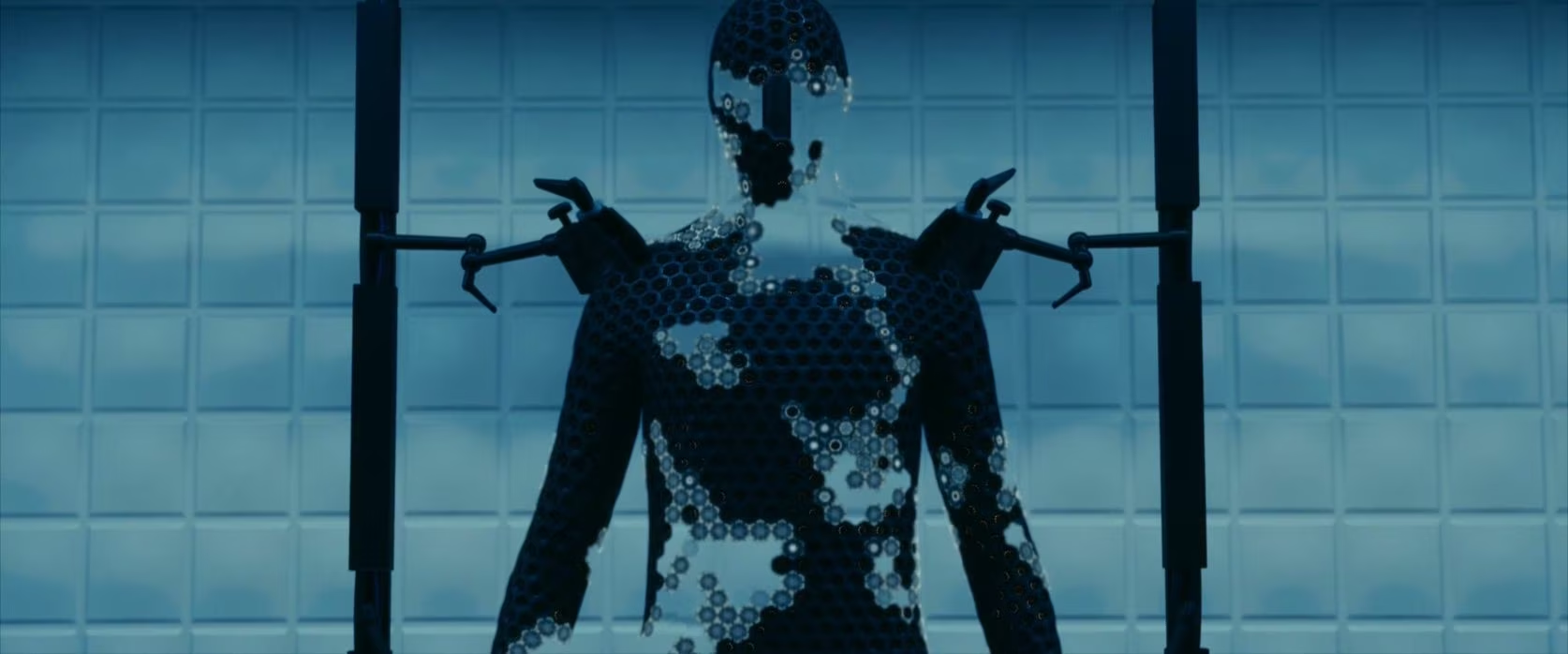
In Leigh Whannell’s ‘The Invisible Man’ (2020), the relationship of the text’s monster (Adrian Griffin) to normality exists as a highly unsettling metaphor for the abusive, controlling and coercive behaviour of some men in the real world. Within the film, Adrian is not constructed to be a supernatural creature, nor is he defined by the grotesque characteristics, as typical monsters are often characterised to possess. Instead, he is a wealthy, respected, and brilliant scientist. At face value, he fits effortlessly into society, embodying success, intelligence, and charm. However, in reality, Adrian is a highly insecure individual whose intentions centralise around manipulating, controlling, and gaslighting his partner with the desire to prevent her escape. This juxtaposition reveals how monstrosity can hide in plain sight and how “normality” can be a mask that conceals profound acts abuse and violence.
Invisibility: A Symbolic & Literal Weapon
Adrian’s ability to weaponise the invisibility suit shows that it is more than just a sci-fi device. His invention is a poignant example of how male abusers often operate in the real world. The concept is relatively simple: the suit allows Adrian to vanish from sight whenever he pleases, permitting him to reign terror against Cecilia without leaving any visible evidence. This reflects how abuse often remains undetected by outsiders, as it takes place in private spaces and is masked by the status, charm and the abuser’s calculated performance of perpetuating normality. Adrian’s invisibility supports his intentions to disable the structures that are intended to protect victims of abuse: that being homes, hospitals, and police stations, transforming them into additional weapons against Cecilia. He manipulates her environment so expertly that even when she protests, no one ever believes her. This aligns with real-world experiences of gaslighting, where victims are made to doubt their own perceptions while the abuser’s version of reality is accepted as truth.

Normality as Camouflage:
It is impossible to ignore the way ‘The Invisible Man’ (2020) blurs the line between monster and normality. Adrian’s evil intentions are not by any means overt; Adrian’s suit permits him to hide behind a facade of respectability. Whannel, thus effectively, subverts the classic horror archetype where monsters are easily identified by their grotesque appearance or malicious intent. Instead, the film reveals that actual monsters can sometimes be indistinguishable from the figures that society deems successful, trustworthy, or admirable. By intricately weaving Adrian into the everyday, wealthy, charismatic, and socially accepted, the film successfully dismantles the classic trope that the evil monster is always visible. The absolute horror exists not just with the invisible man himself but in the social structures that remain blind, permitting Adrian to stay unseen and unaccountable for his actions.

Humanism & Technological Determinism:
In Leigh Whannell’s ‘The Invisible Man’ (2020), the terror stems from the intentions of a man who has created a technological superpower which he weaponises with the intent to control and coerce his partner. The film’s ‘monster’ Adrian Griffin’s relatively simple invention, this advanced invisibility suit, allows him to transform himself into a seemingly unstoppable force, though it is not through magic nor is it through mutation that he makes this possible, but through technological innovation.

It is difficult to dismiss the idea that Whannel has created a compelling narrative that illuminates René Descartes’s Humanist notion: that technology is developed with the intention to elevate and enhance the capabilities of man but never to alter the nature of humanity fundamentally. (Setiya, 2018) However, this is not to say that without the grounding power of morality and ethics, technology in the hands of the wrong person can be highly destructive toward oneself and the environment around them. (Gumbrecht, 2020)
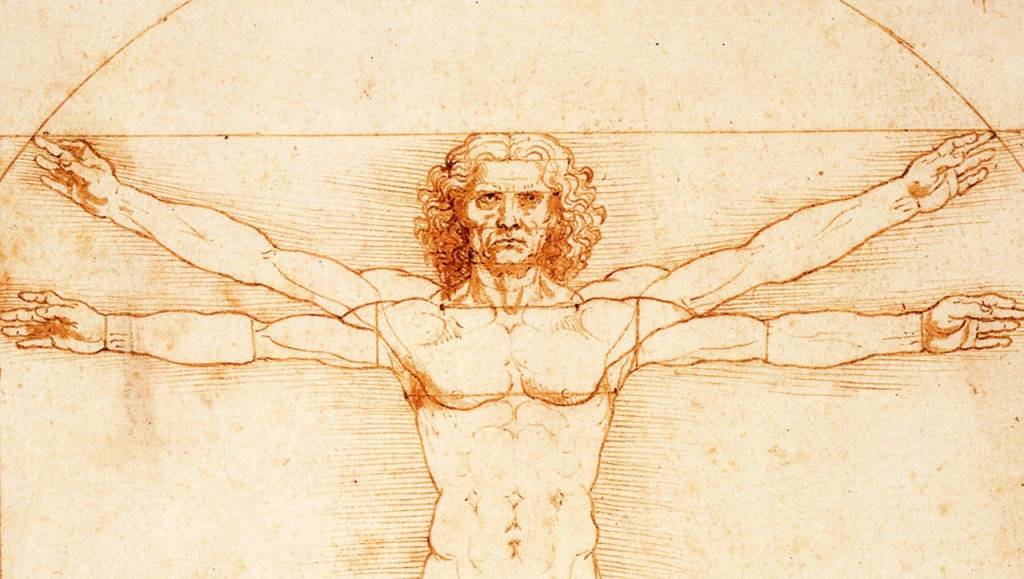
By extension, Whannel’s film extends this humanist idea by encapsulating the notion of technological determinism, the idea that technology is a major driver of social change, where human intention ultimately determines its moral outcome. (Dafoe, 2015) In ‘The Invisible Man’ (2020), the technological element of invisibility is not constructed as an inherently dangerous or evil weapon as it appears to be.
Instead, the actual danger emerges when the technology is controlled by an individual whose morality is engulfed by the self-conscious necessity to control his partner and prevent her escape from his abusive actions. The film thus suggests that technology, in itself, is neutral and only becomes harmful when used by individuals with destructive ideas. Invisibility in the film does not act on its own; it simply amplifies the desires and character of the person using it. Through this lens, the story exists as a powerful commentary on the relationship between humanity and innovation.
In The Invisible Man (2020), Leigh Whannell redefines monstrosity by embedding it within the illusion of normality. Adrian Griffin is a respected figure who uses his invisibility suit to manipulate and control, mirroring real-world patterns of coercive behaviour. The film critiques society’s failure to recognise evil when masked by charm and success. By portraying technology as neutral, Whannell suggests that true danger lies in the intentions of its users. Ultimately, the film reveals that monstrosity often hides behind the facade of respectability and power.
Works Cited:
Dafoe, A. (2015). On Technological Determinism. Science Technology & Human Values, [online] 40(6), pp.1047–1076. doi:https://doi.org/10.1177/0162243915579283. [Accessed 26/03/2025]
Gumbrecht, H (2020), Wamberg, J & Thomsen, M 2020, Humanism, Bloomsbury Publishing Plc. [online] https://ebookcentral.proquest.com/lib/uow/reader.action?docID=6264152&ppg=5 [Accessed 26/03/2025]
Setiya. K (2018). Humanism. Journal of the American Philosophical Association, [online] 4(4), pp.452–470. doi:https://doi.org/10.1017/apa.2018.38. [Accessed 26/03/2025]
 Nicholas Steven
Leave a comment